
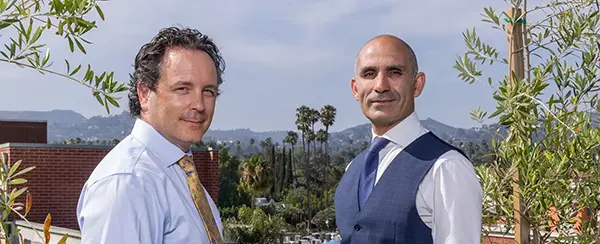

Posted by Dr. Litner and Dr. Solieman on October 29th, 2026
One of the first questions patients ask during a rhinoplasty consultation is simple: how long is recovery? The honest answer is that most people feel ready to return to work and social life in about one to two weeks, but the nose keeps refining for up to a year as swelling slowly settles.
Knowing what is normal at each stage makes recovery far less stressful. Below, the team at Profiles Beverly Hills walks you through a typical rhinoplasty recovery timeline, from the first night home to your final result. Every patient heals differently, and your surgeon’s instructions always come first.
| Days 1–3 | Rest, head elevated; swelling and bruising peak |
| About 1 week | Splint and stitches removed |
| 1–2 weeks | Most patients return to work and social plans |
| 4–6 weeks | Gradual return to exercise, with your surgeon’s approval |
| About 3 months | Most swelling has resolved |
| 12 months+ | Final, fully refined result |
The first few days are about rest. Swelling and bruising usually peak around day two or three, and your nose will feel congested, similar to a heavy cold. You will likely have a splint on the outside of your nose, and some patients have soft internal splints or packing.
Around day six or seven, most patients return to the office to have the splint and any stitches removed. This is an exciting moment, but keep expectations realistic: the nose will still look swollen, and the tip may look upturned or wider than the final result.
Bruising around the eyes is usually fading by the end of the first week, and many patients feel comfortable enough for light activities and short walks.
Most people return to work, school and social plans within one to two weeks. Any remaining bruising can typically be covered with makeup, and to most people around you, you will simply look like yourself.
By about a month, breathing through the nose usually feels much better and most visible swelling has gone down. If your surgery also corrected a deviated septum, this is often when patients notice the breathing improvement (learn more in Septoplasty vs. Rhinoplasty). Many surgeons clear patients for light cardio around this time, then gradually more intense workouts around six weeks.
Contact sports and anything that risks a bump to the nose usually wait longer. Ask your surgeon before restarting any activity.
Planning your rhinoplasty?Get a recovery plan built around your nose, your schedule and your goals.
By about three months, the majority of swelling has resolved and friends and family start to see the new shape clearly. The bridge tends to settle first, while the tip remains slightly full. To see how real patients look at different stages, browse our rhinoplasty case studies.
The last bit of swelling, usually in the tip, can take a full year to fully disappear, and sometimes longer with thicker skin (common in ethnic rhinoplasty) or after a revision rhinoplasty. This is when the nose looks most refined and natural, and when your surgeon will compare your final photos to your before photos. See an example in our seven-month rhinoplasty results.
Some discomfort, swelling and congestion are normal. Call your surgeon’s office right away if you notice:
For any emergency, call 911.
Most patients return to work and social activities in one to two weeks. Most swelling is gone by three months, and the final result appears around 12 months.
The most visible swelling and bruising fade within the first two weeks. Subtle swelling, especially in the tip, can take up to a year to fully resolve.
Light walking is encouraged early on. Most patients resume light cardio around four weeks and more intense exercise around six weeks, with your surgeon’s approval.
Glasses usually shouldn’t rest on the bridge of the nose for several weeks. Your surgeon may suggest taping them to your forehead or switching to contact lenses in the meantime.
Often, yes. Revision rhinoplasty can involve more scar tissue and cartilage grafting, so swelling may take longer to settle. Your surgeon will give you a personal timeline.
A smooth recovery starts with the right surgical plan. Board-certified facial plastic surgeons Dr. Jason Litner and Dr. Peyman Solieman focus on rhinoplasty and revision rhinoplasty, creating natural results that fit each patient’s face.
Prefer to talk? Call (310) 276-6800.
Our team will help arrange your visit. Fields marked * are required.
This article is for general educational purposes and is not medical advice. Recovery varies from person to person; always follow the instructions from your own surgeon.
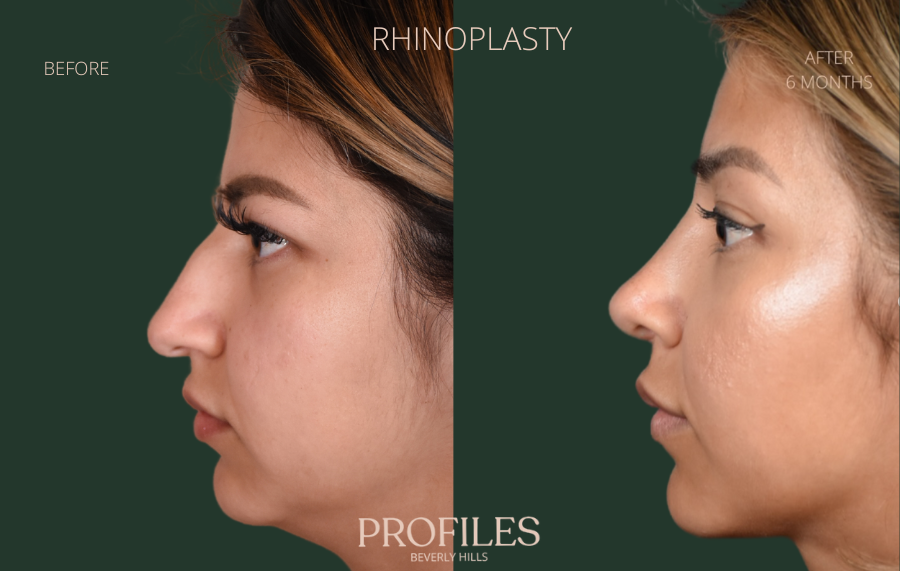
Before-and-after photos are often the first place you look when choosing a rhinoplasty surgeon. They can help you see a surgeon's...
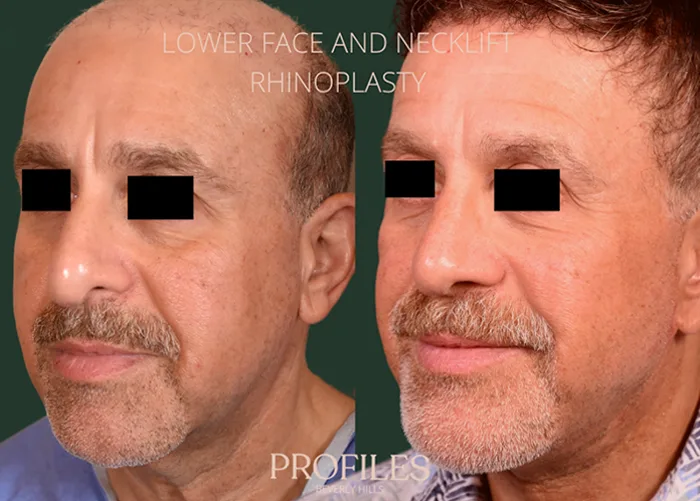
When it comes to aesthetic transformation, the narrative has often been predominantly female-centric. At PROFILES Beverly Hills,...

Understanding the Differences and Deciding What's Right for You Facial plastic surgery can sometimes feel like deciphering a...
ASK US ANY QUESTION