



Posted by Dr. Litner and Dr. Solieman on November 19th, 2026
Patients often ask whether insurance will pay for their rhinoplasty. The short answer: insurance does not cover changes made only to improve how the nose looks, but it may consider surgery that treats a documented medical problem, such as blocked breathing or an injury.
Many patients have both a cosmetic goal and a breathing problem. Understanding how those two parts are separated helps you plan, ask the right questions and avoid surprises.
| Cosmetic changes | Not covered: hump, tip shape, size, profile |
| May be considered | Deviated septum, nasal valve collapse, enlarged turbinates |
| Also may be considered | Repair after a nasal fracture or injury |
| What insurers ask for | Symptoms, exam findings, treatments already tried |
| Combined surgery | Functional and cosmetic parts are usually billed separately |
Cosmetic rhinoplasty changes the appearance of the nose. Examples are reducing a bump on the bridge, refining or lifting the tip, narrowing the nose or changing its overall size. Insurance plans do not pay for these changes, even when they matter a great deal to you.
Functional nasal surgery treats a problem with how the nose works, usually breathing. Common examples:
Whether a plan covers any of these depends on your policy and on whether the problem is documented as medically necessary.
Trouble breathing and unhappy with your nose? A consultation can check both and explain which parts are functional.
Insurers generally want evidence that the surgery treats a real medical problem. They often ask for:
Requirements vary from one insurer to another, so check with your plan directly.
Many patients choose to fix their breathing and improve the shape of their nose in one operation. This means one anesthesia and one recovery. In that case, the functional and cosmetic parts are usually separated in billing, and the cosmetic part is self-pay. Our article on septoplasty vs. rhinoplasty explains how the two procedures differ.
For the self-pay portion, Profiles Beverly Hills offers financing through PatientFi, CareCredit and Alphaeon. See our financing options. For an overview of what drives the price, read how much rhinoplasty costs in Beverly Hills.
Our office can explain how the functional and cosmetic parts of your plan would be handled.
Not for cosmetic changes. Insurance may consider surgery that treats a documented medical problem, such as a deviated septum or a nasal fracture.
Septoplasty is often considered functional surgery when a deviated septum blocks breathing, but coverage depends on your plan and documentation.
Yes. Many patients do both in one operation. The cosmetic part is usually self-pay and is separated from the functional part in billing.
Usually a record of your symptoms, a physician exam, treatments already tried and, for many plans, pre-authorization before surgery.
Repair after an injury may be considered by your insurer, especially when breathing is affected. Check your plan and keep records of the injury.
Dr. Jason Litner and Dr. Peyman Solieman treat breathing problems and the shape of the nose together. Learn more about rhinoplasty and septoplasty.
Prefer to talk? Call (310) 276-6800.
Our team will help arrange your visit. Fields marked * are required.
This article is for general educational purposes and is not medical or insurance advice. Coverage depends on your plan; check with your insurer.

If your nose tip pulls down when you smile, a small muscle and the strength of your tip support are usually the reason. Here is...
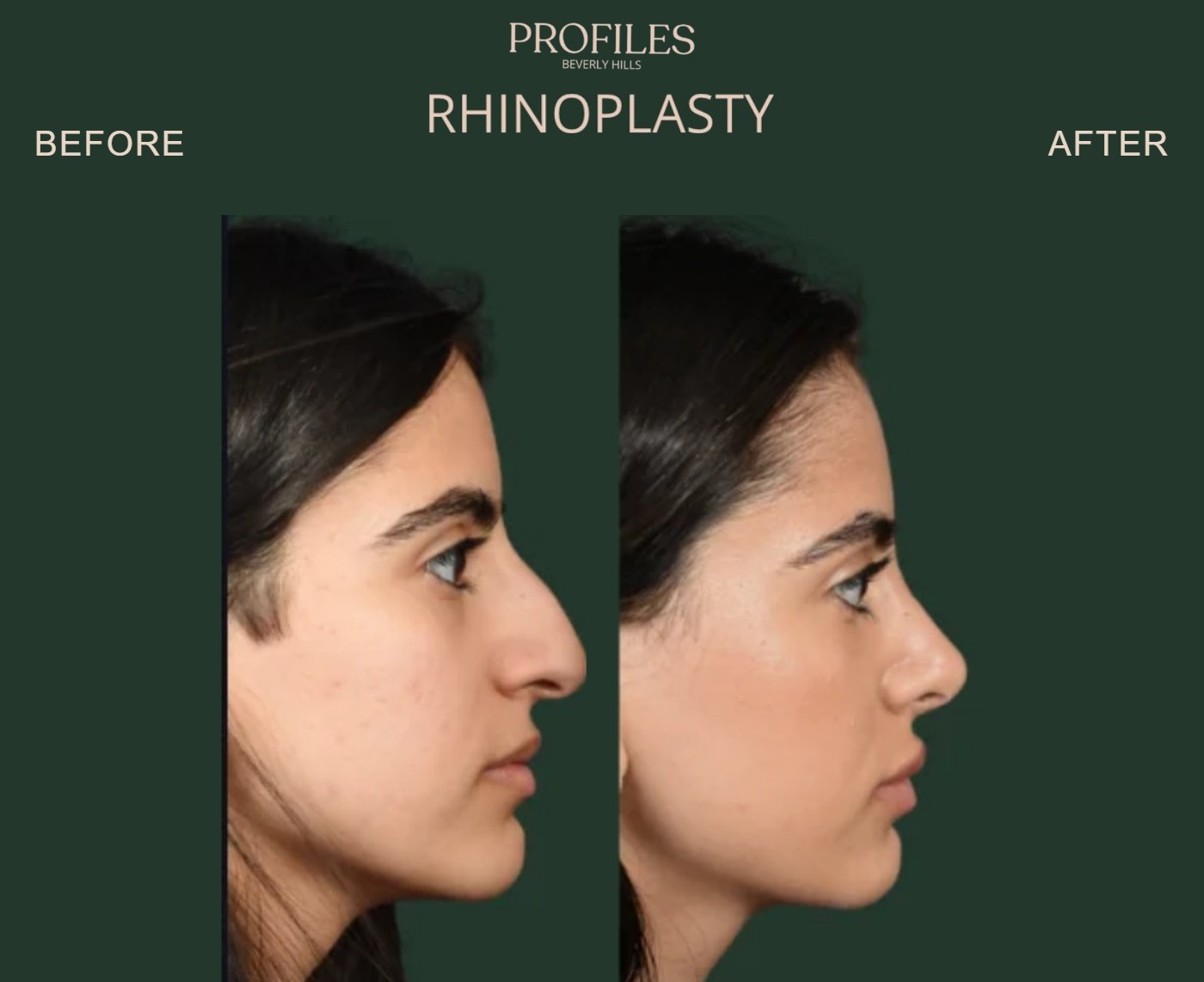
Preservation rhinoplasty lowers a hump without taking the bridge apart. Here is who it suits, who it does not, and what to ask...

Why rhinoplasty quotes vary so much, what a Beverly Hills quote usually covers, and the questions to ask before you compare...
ASK US ANY QUESTION