

Posted by Dr. Litner and Dr. Solieman on November 19th, 2026
If you are unhappy with your nose after rhinoplasty, waiting can feel like the hardest part. You can see something you want fixed, and the natural instinct is to fix it now. Yet most surgeons, including Dr. Jason Litner and Dr. Peyman Solieman at Profiles Beverly Hills, recommend waiting about 12 months before a revision rhinoplasty.
This is not about making you wait for the sake of it. A nose that has had surgery is still changing for many months. Below, we explain what happens during that year, why timing matters for your result, and when it makes sense to be seen sooner.
| Weeks 1–6 | Visible swelling and bruising fade; the nose is still stiff and swollen |
| Months 2–3 | Most swelling is gone; the bridge settles first |
| Months 4–6 | The tip keeps refining; scar tissue is still maturing |
| Months 6–12 | Tissues soften and the true shape shows |
| About 12 months | The usual point to plan revision surgery |
After any nose surgery, the skin and soft tissue swell, and the body lays down scar tissue as it heals. Both take time to settle. Operating again too early has three main problems.
Swelling can make the tip look wide, the bridge look full, or one side look different from the other. Much of this resolves on its own. If a surgeon operates on swollen tissue, they may correct a problem that would have gone away, or misjudge how much to change.
Early scar tissue is firm and active. As it matures over the first year it softens and becomes easier to work with. Revision surgery on mature tissue is more predictable and gentler on the skin.
Surgery temporarily disrupts the small blood vessels in the nasal skin. Giving them time to recover lowers the strain on the skin when it is lifted again, which matters for healing and for the final look.
Unhappy with your first result?An early consultation can map out your options and the right time to act.
Most visible swelling and bruising go away in the first few weeks. By about three months, friends and family see the new shape clearly. The bridge usually settles first, while the tip stays slightly full.
The tip continues to refine, especially in patients with thicker skin. Small irregularities may still be hidden by swelling or may become easier to see as the tissue thins.
The skin softens and drapes more closely over the new structure. This is when you, and your surgeon, can judge the result with confidence. Patients with thick skin or a second or third surgery may need even longer.
Waiting a year for surgery does not mean waiting a year to talk to a surgeon. It is worth booking a consultation earlier if:
On the revision rhinoplasty page we note that patients who are uncomfortable with their nose or have breathing problems can be assessed sooner. In some cases a clear functional or structural problem is treated earlier. That decision is made case by case after an exam.
Revision rhinoplasty is often more complex than a first surgery. If too much cartilage was removed the first time, the nose may need support rebuilt, often with cartilage grafts. Scar tissue has to be released carefully, and breathing has to be protected or improved at the same time. You can read more about how a revision differs in primary vs. revision rhinoplasty: what is different.
Recovery after revision follows a similar pattern to a first rhinoplasty, but swelling can last longer. Most patients return to work in one to two weeks. Our rhinoplasty recovery timeline walks through each stage.
Most surgeons recommend waiting about 12 months after your last nose surgery. That gives swelling time to settle and the tissues time to soften, so the surgeon can see the true result before planning changes.
Yes. An early consultation is a good idea, especially if you have trouble breathing. Your surgeon can review your concerns, explain what may still change as swelling settles, and plan the right time for surgery.
Sometimes. A clear structural or breathing problem may be treated earlier. This is decided case by case after an exam, not on a fixed calendar.
Often it is. Scar tissue from the first surgery can mean more swelling, and the tip in particular can take longer to settle. Most patients return to work in one to two weeks, but the final result can take a year or more.
A smooth recovery starts with the right surgical plan. Board-certified facial plastic surgeons Dr. Jason Litner and Dr. Peyman Solieman focus on rhinoplasty and revision rhinoplasty, creating natural results that fit each patient’s face.
Prefer to talk? Call (310) 276-6800.
Our team will help arrange your visit. Fields marked * are required.
This article is for general educational purposes and is not medical advice. Timing is different for every patient; your surgeon will advise you after an exam.

Insurance does not pay for cosmetic nose changes, but it may consider surgery that treats a documented breathing problem. Here is...

If your nose tip pulls down when you smile, a small muscle and the strength of your tip support are usually the reason. Here is...
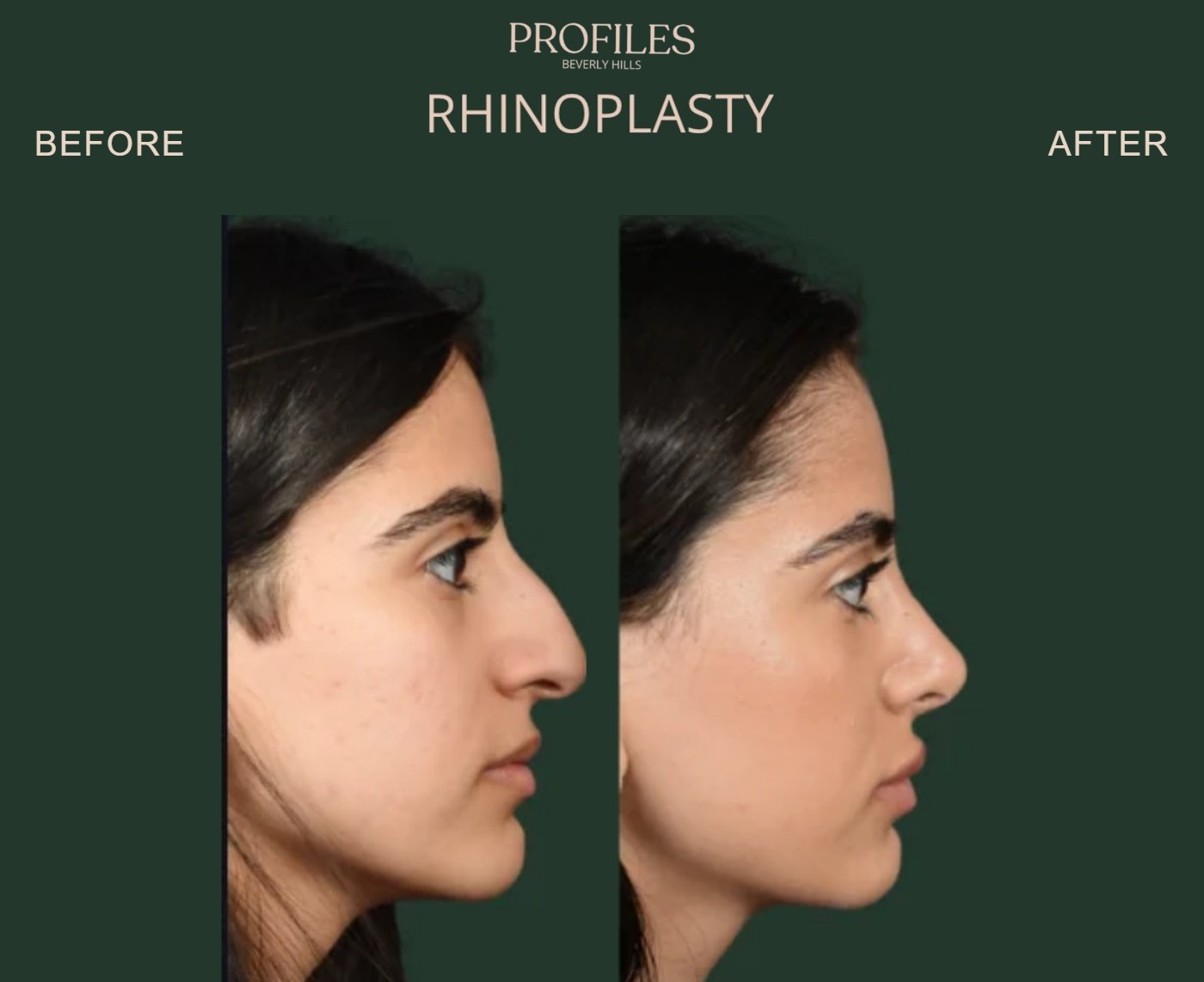
Preservation rhinoplasty lowers a hump without taking the bridge apart. Here is who it suits, who it does not, and what to ask...
ASK US ANY QUESTION