

For over a decade, Drs. Solieman and Litner have performed approximately 250 rhinoplasty procedures each year, establishing one of the most experienced rhinoplasty teams in the world. Their focused expertise and high surgical volume reflect a deep commitment to precision, consistency, and long-term results.
Whether you are considering primary rhinoplasty or a revision procedure, patients from across the country and around the world choose PROFILES Beverly Hills for its specialized, two-surgeon approach and reputation for natural, refined outcomes.
At PROFILES Beverly Hills, rhinoplasty is not just one of many procedures; it is a central focus of the practice. This level of specialization allows for a highly individualized approach, combining advanced technique with an artistic understanding of facial balance.

Drs. Solieman and Litner for over a decade, double board-certified surgeons have successfully operated on 250 rhinoplasty patients a year, making them one of the most experienced rhinoplasty surgeon teams in the world. Whether you are looking for your first surgery or need a revision procedure, we invite you to come and see why patients from all over the world choose the top surgeons at PROFILES Beverly Hills in Los Angeles.
If you are considering rhinoplasty or revision rhinoplasty, you have come to the right place. Our unique two-surgeon team specializes in natural, beautiful rhinoplasty results in LA. At PROFILES Beverly Hills, we care passionately about rhinoplasty and have made it the focus of our facial plastic surgery practice.
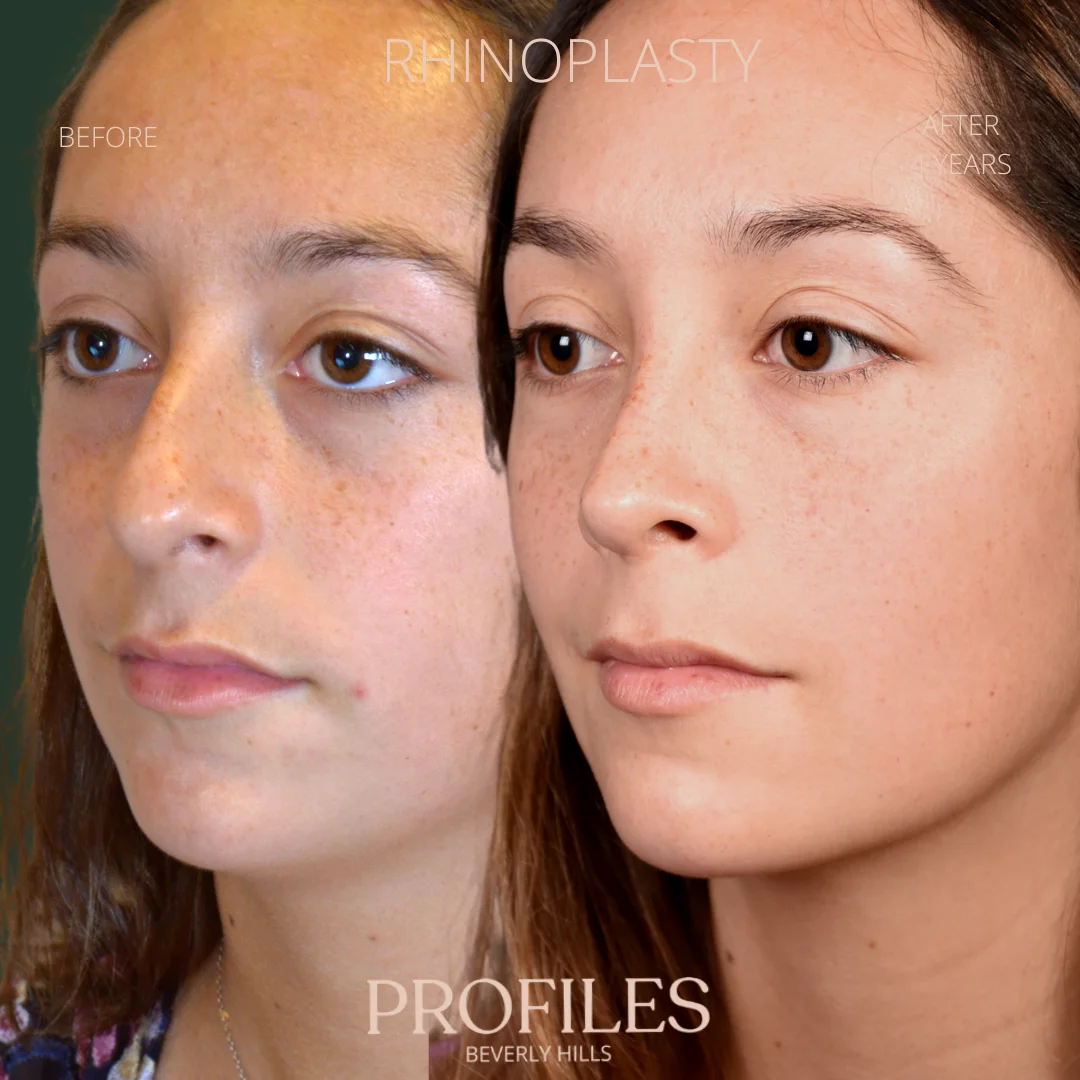
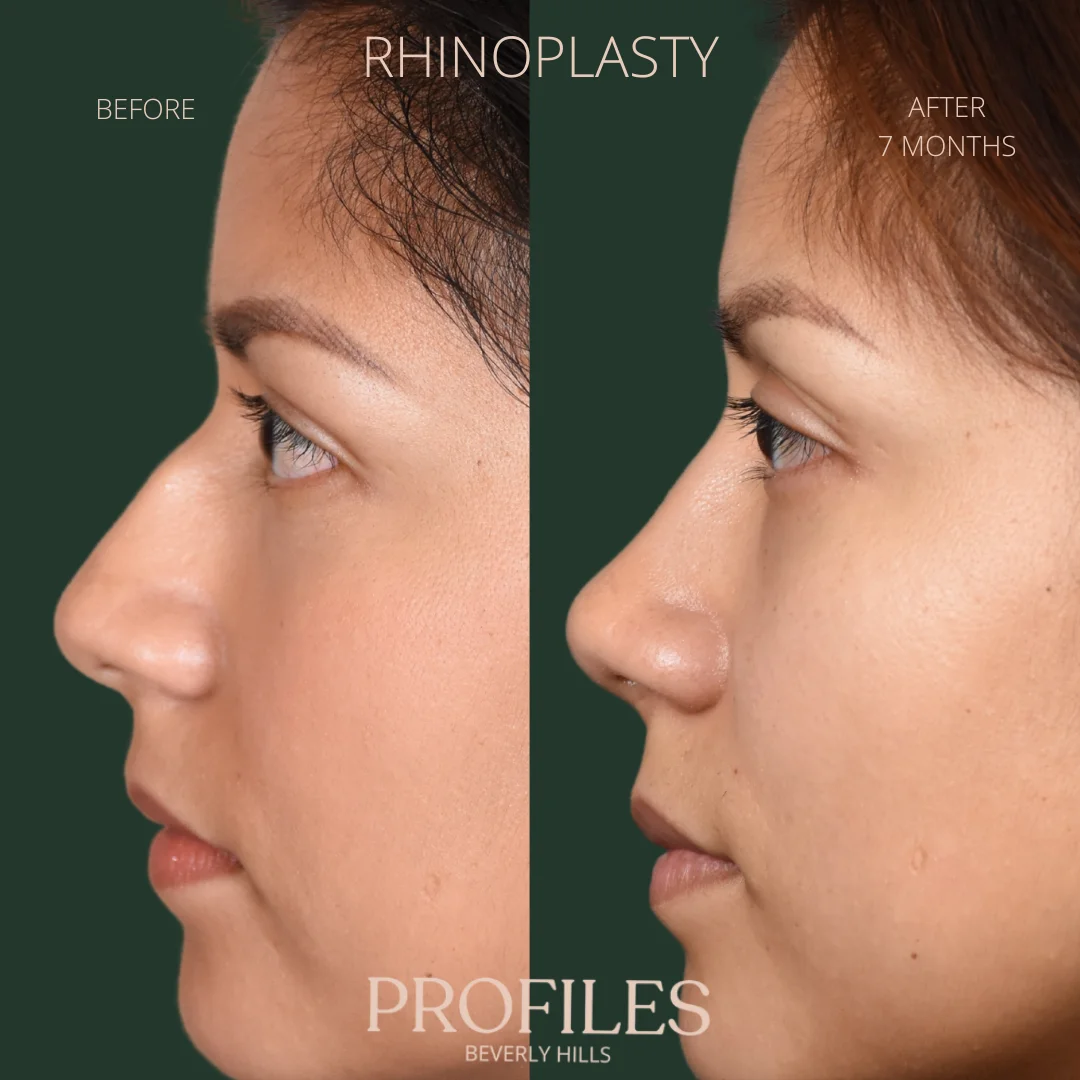
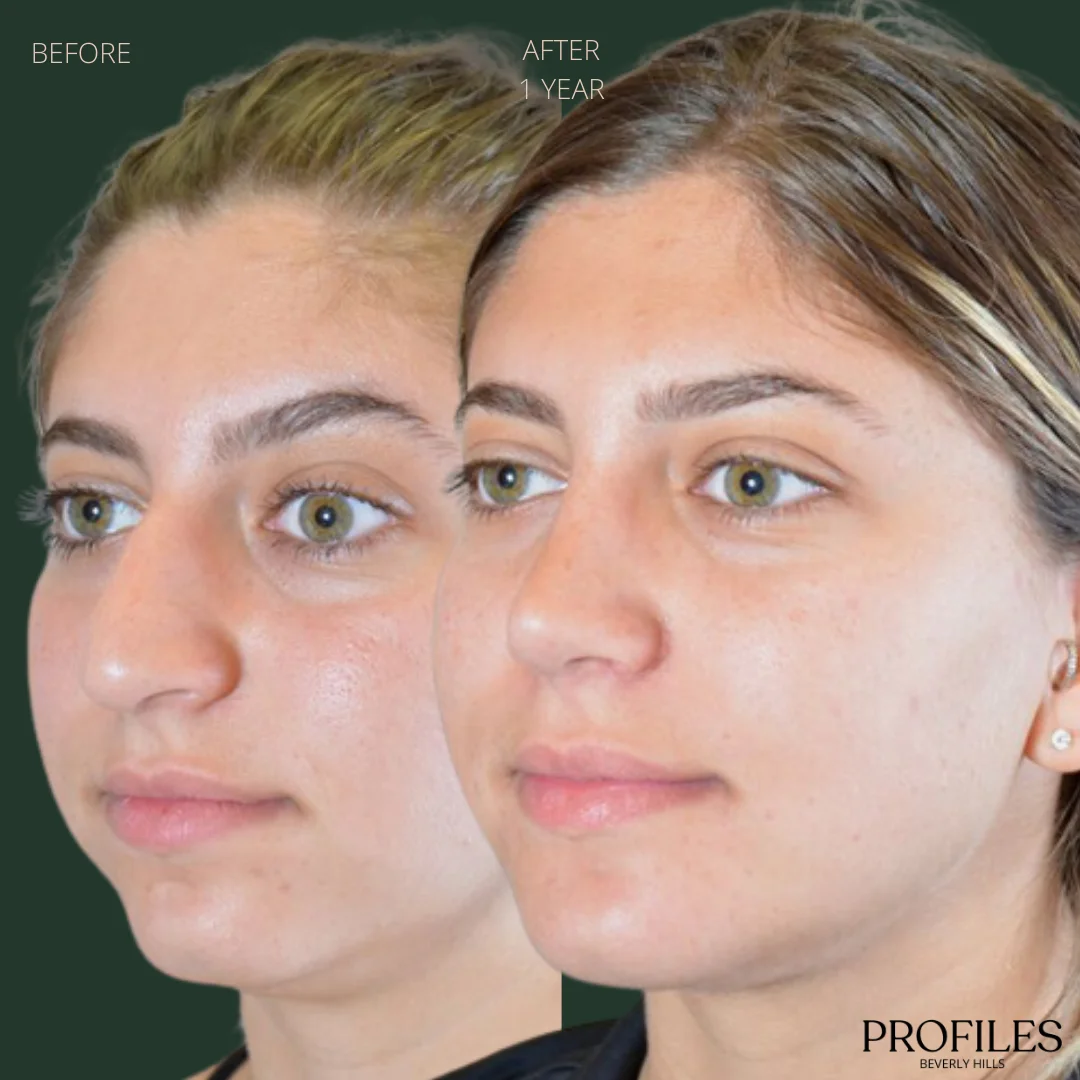
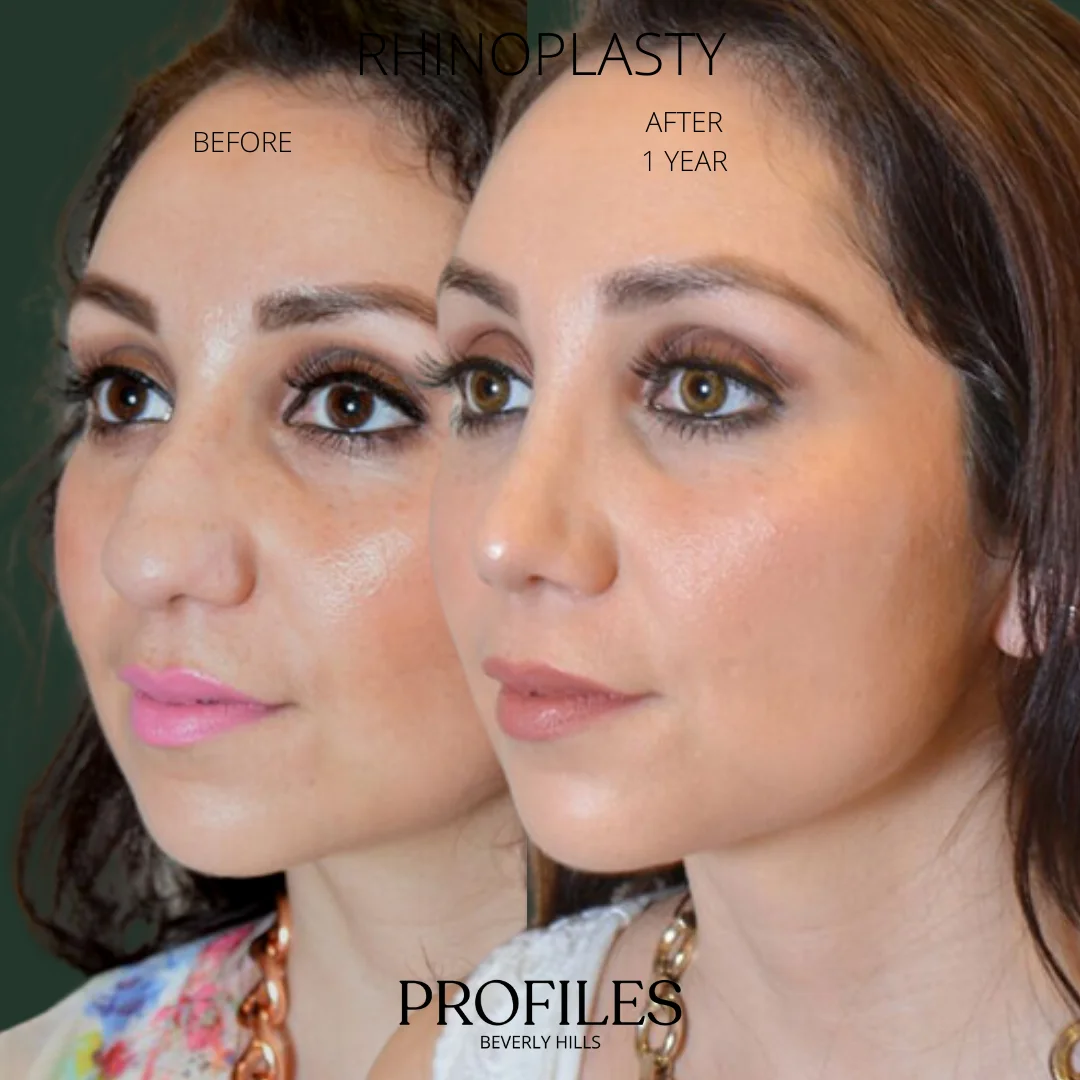
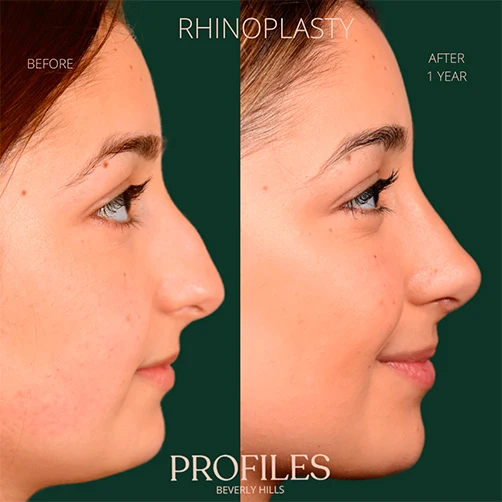
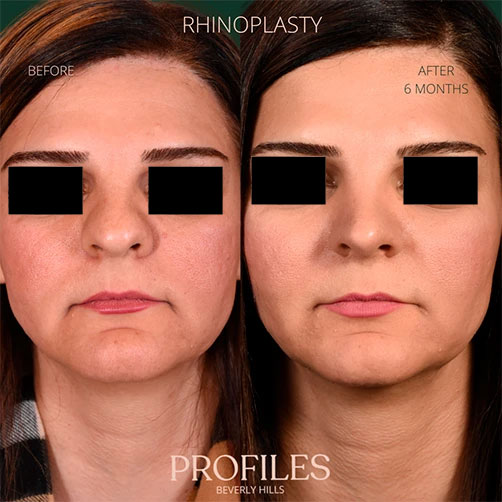
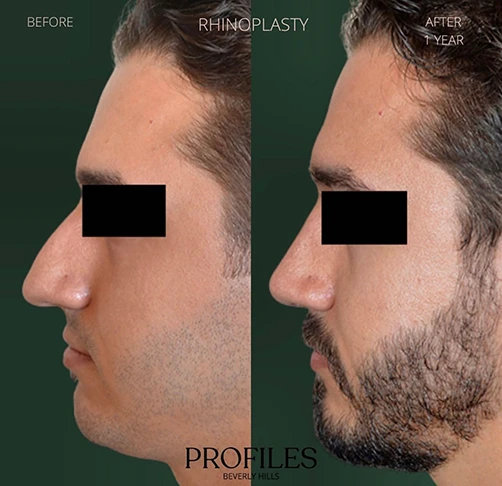
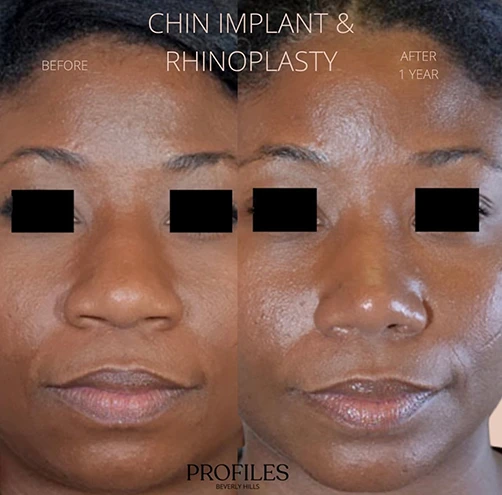
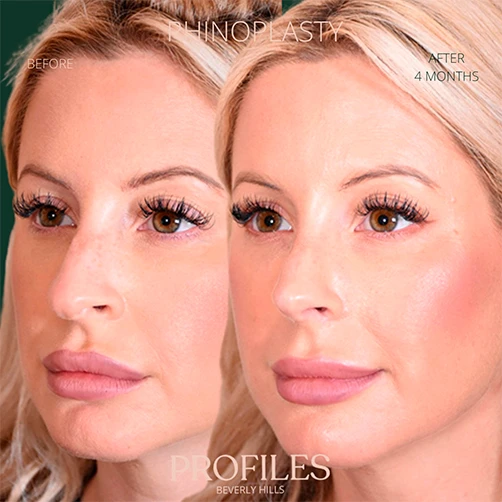
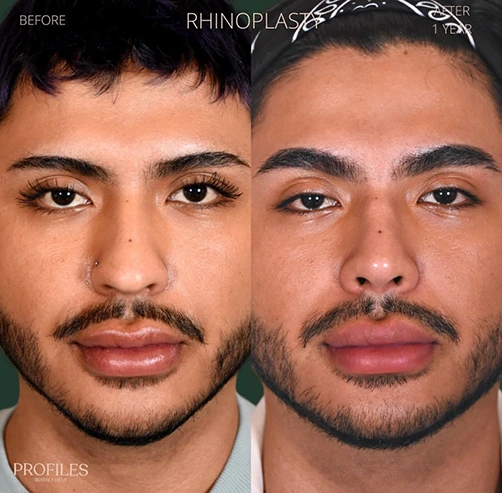
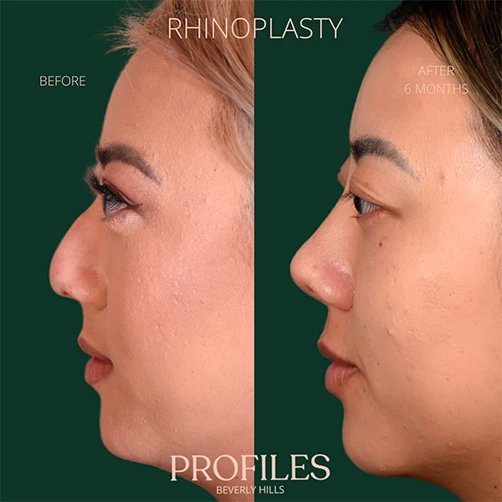
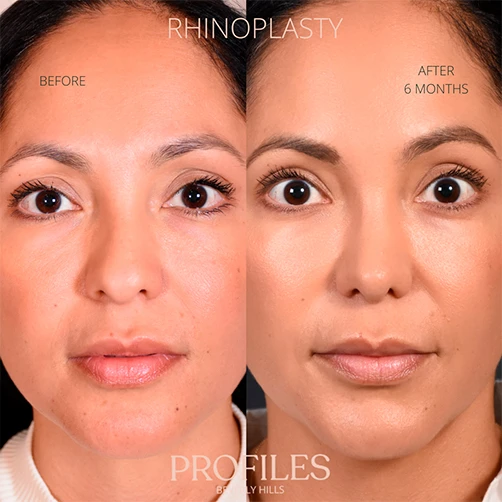
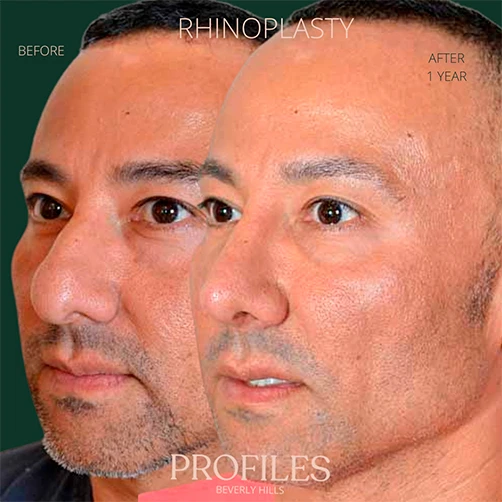
*Results May Vary
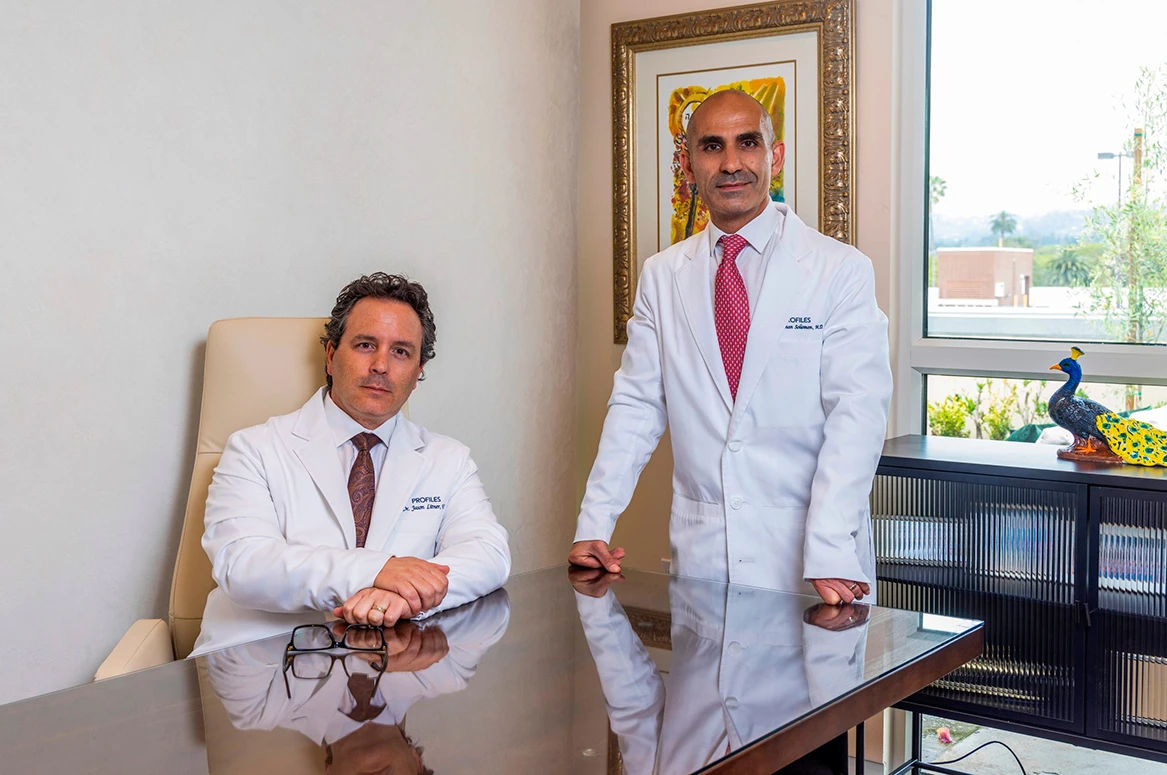
Rhinoplasty and revision rhinoplasty are intricate, nuanced procedures where the difference between a fantastic result and the need for revision is often separated by millimeters. Having both double board-certified surgeons, Drs. Solieman and Litner, performing each step together is the reason we are one of the foremost rhinoplasty centers in the world.
Our commitment to you begins with your first visit but it does not end there. Unlike breast augmentation and other procedures that may need to be redone or revised after years, we know that when rhinoplasty is done right, it stands the test of time. We follow all our patients both in the short term and long term to ensure that they not only get the nose they have always wanted but that it stays that way.
By working together, Drs. Litner and Solieman are able to consistently achieve some of the highest success rates in the world.
Feel free to browse through our various photo galleries. What you will find is that each patient has a look that is perfect for him or her. Here at PROFILES, there is no “cookie-cutter” surgery. Every procedure is uniquely and individually tailored for you. We have patients who come to us from all over the world with different skin types, different aesthetics, and different goals, and we work with each of them to accomplish the beautiful, natural look that is right for them.
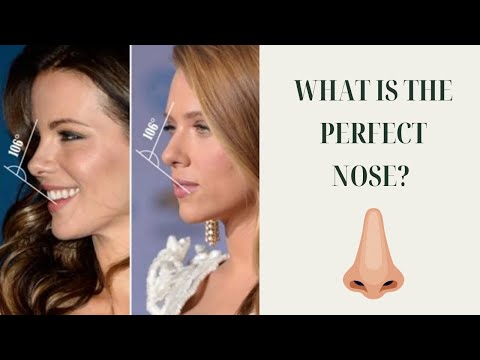
Explains the nuances of nasal aesthetics, debunking the myth of a one-size-fits-all 'perfect nose.'
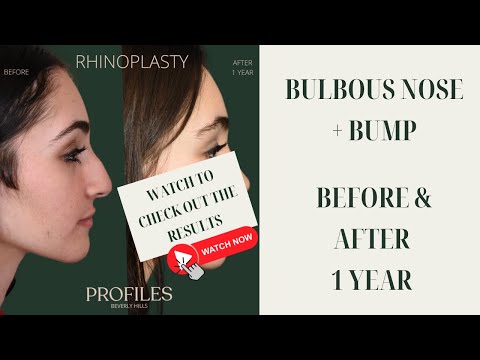
Dr. Litner shares the stunning 1-year post-rhinoplasty results of a patient who sought to correct the convexity and droop of her nose, which made her feel self-conscious about its size.
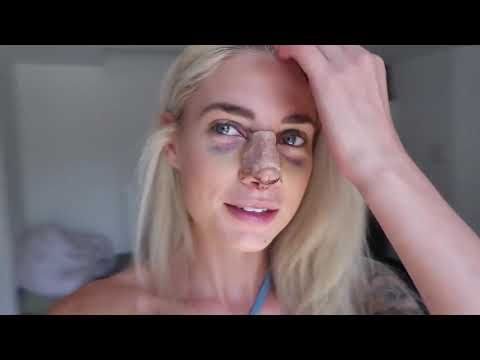
The experts at Beverly Hills Profiles take you along their rhinoplasty journey with a female patient. Drs. Solieman and Litner have the goal of sculpting a more feminine, softer nose for their excited patient who once had a twisted, crooked nose.
If you have trouble breathing through your nose, it is important to let the nasal experts- Drs. Litner and Solieman- do a thorough evaluation. Nasal obstruction is a complicated issue that is all too often ignored, attributed to “allergies or sinuses,” or to a “deviated septum.”
Oftentimes, our PROFILES Los Angeles doctors find that the diagnosis previously given to patients for their breathing problems does not fully account for all findings. In fact, reports suggest that 20%-30% of patients who undergo septoplasty find that their breathing symptoms are not adequately corrected. The complexity of this problem is one of the reasons that Drs. Litner and Solieman, both Double Board Certified Facial Plastic Surgeons, have devoted so much of their training and research to the proper diagnosis and treatment of these problems.

REAL PATIENT’S PHOTO
REAL PATIENT’S PHOTO
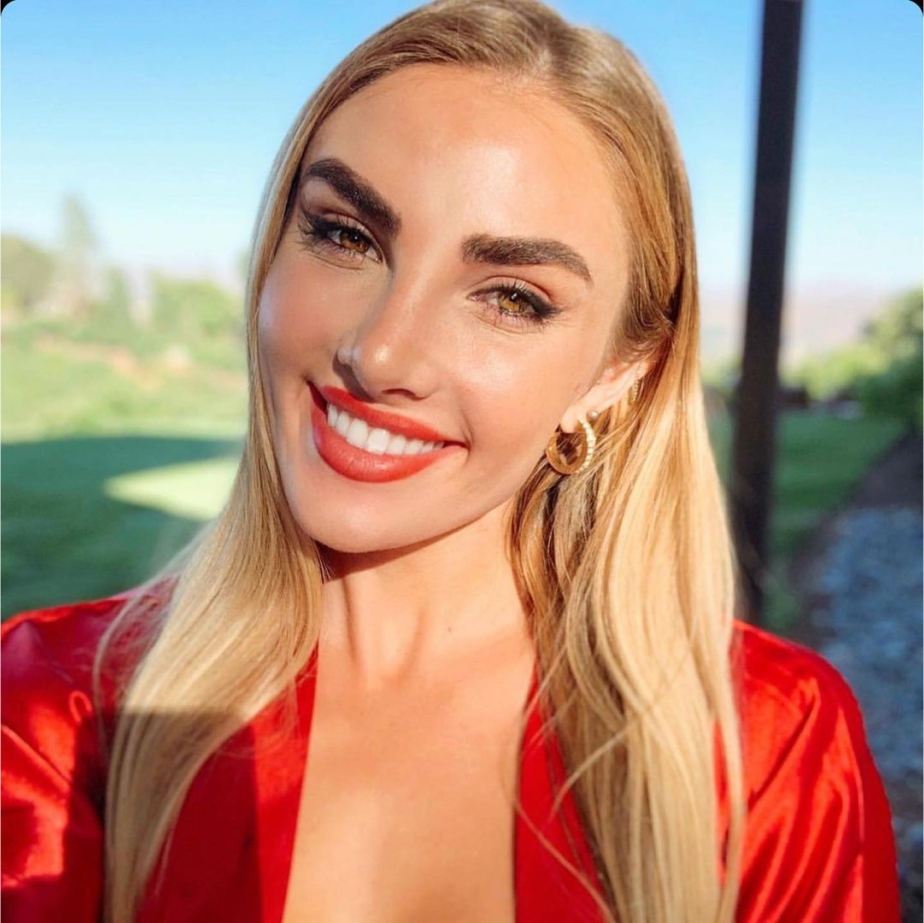
In many ways, the very challenging correction of the twisted nose can be viewed as the final step in the mastery of rhinoplasty. It challenges the great surgeon to restore the various deformities present using a detailed understanding of both cosmetic rhinoplasty and functional reconstruction. Reconstructive rhinoplasty provides optimal aesthetics in these cases because it not only allows us to make your nose look straighter but also to restore the underlying framework to its normal pre- injury positions. This approach is balanced and allows us to address each cosmetic concern while maintaining and maximizing long-term support and function. Click on the links below to learn more:
Drs. Litner and Solieman trained separately with world experts in rhinoplasty and revision rhinoplasty, and their combined years of experience and patient follow-up ensure that your great results will stand the test of time. They know what works and what does not and will only use techniques that produce predictable and stable results for a lifetime.
Not only have our doctors published and taught extensively on the latest techniques in rhinoplasty and revision rhinoplasty, but they also combine that knowledge with the technical skill needed to achieve your goals. In fact, they are often the surgeons’ choice for rhinoplasty referral.
At PROFILES Beverly Hills we treat every rhinoplasty patient as a top priority. That means we will make sure to listen to you, answer your questions, and arrive at a surgical plan that is right for you. Once a surgical plan has been confirmed, both surgeons will apply their expertise to make those goals a reality. Furthermore, we do not disappear after the procedure. You will see our doctors at each and every post-operative visit to make sure that you obtain the results you want.
In addition to treating each patient with the utmost care, we keep downtime to a minimum. We typically use nasal packing and many of our patients require almost no pain medication after rhinoplasty. Careful work by our doctors results in quick recovery and less swelling.
Unlike many surgeons, we never take a ‘cookie-cutter’ approach to rhinoplasty. Because our surgeons have extensive expertise, they choose the best tools to fit your situation. At PROFILES Beverly Hills we start with your vision for your new nose and adapt our techniques to bring that vision to life. The result is a balanced and beautiful nose that completely matches your features.
We recognize that trusting anyone with your nose is a big step, therefore we return that assurance by committing to your happiness. We follow your case for years after surgery to make sure you remain happy with your results. It is that enduring commitment that continues to keep our personal revision rates at close to zero.
We believe one thing is clear: nothing has a greater impact on how a person looks than the size and shape of their nose. Because the nose is the most defining central characteristic of the face, a slight alteration can greatly improve your appearance.
Drs. Litner and Solieman are double board-certified facial plastic surgeons, providing you with the highest level of training and expertise. They understand that good communication is essential in the planning of your rhinoplasty. Skin type, ethnic background, and age are important factors to consider in discussions with Drs. Solieman and Litner prior to surgery. The PROFILES Beverly Hills website allows you to read up on the techniques that most specifically address your particular concerns. To learn if you are an ideal candidate for rhinoplasty, contact PROFILES Beverly Hills in Los Angeles today.
Rhinoplasty surgery can significantly improve the appearance of your nose, but there are some risks associated with this procedure. Some of the potential risks and temporary side effects of a rhinoplasty include:
Anastasia Ivy
I went to multiple of the top surgeons in Los Angeles and I can say with absolute confidence that both doctors treated me with me the utmost care and are incredibly detail oriented. I’m so happy with my results and it’s only been 3 months after surgery. It’s natural all while still being very cute (swooped, small tip) and matching the symmetry of my face. Now my side profile went from my least favorite part of my face to my most favorite.
Donald Wallace
I am completely satisfied with the work I received from Profiles Beverly Hills. I had a rhinoplasty done by my ENT about 18 months prior to going to Profiles. I went to Profiles on the recommendation of a colleague and friend, and I am so glad I did. The entire experience with my prior surgery was terrible. I suffered for a month after the surgery and the result was not good either.
Gary Torres
I have had an amazing overall experience at Profiles of beverly hills aftet having a recent procedure done. I can honestly say that Dr. Litner and Dr. Solieman, are very caring and skilled surgeons who have helped me with a nagging nasal issue I have lived with for a very long time. They resolved an issue which I thought was impossible to fix. I am ecstatic that I found them.
Like all other surgical procedures, rhinoplasty carries a certain risk. Besides the potential side effects of anesthesia, you may also experience temporary swelling and other symptoms. However, severe side effects and complications are relatively uncommon. The best way to improve your chances of success is to work with a team of double board-certified plastic surgeons.
For the first few days after the surgery, patients need to rest with their heads in an elevated position. After a week, the nasal dressings and splints are removed, but you cannot partake in any physical activity until 3 to 4 weeks after surgery. It is important to note that all patients are different, so Dr. Litner and Dr. Soleiman examine each patient and develop a custom recovery plan which they discuss prior to and after the procedure.
Rhinoplasty recovery patients may experience mild to moderate discomfort, depending on the technique used and the complexity of the procedure. The pain is usually treated through over the counter oral analgesics and prescription medication depending on its intensity. It is important to note that pain and discomfort usually start receding after a few days, but this may vary depending on each patient.
In many cases, improving the shape of the nose can also help alleviate sinus problems and result in clearer breathing. Furthermore, enlarged turbinates, soft nasal cartilage, and deviated septums can be addressed with a rhinoplasty or a combination of a nose job and a septoplasty.
As long as it is performed by an experienced, double board-certified plastic surgeon, the results attained through a nose job should last a lifetime. Seasoned surgeons can make significant changes to the structure of your nose while maintaining natural results. However, you should always note that swelling and scarring gradually diminish for up to a year after the procedure.
Didn’t find the information you’re curious about?
Contact us at 310.276.6800 so we can help you.
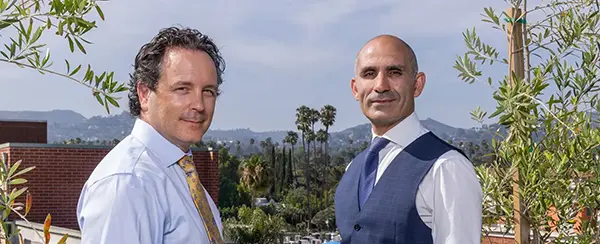
At Beverly Hills Profiles, every article is carefully reviewed by our surgical team to ensure accuracy and relevance. Our review panel includes Dr. Litner and Dr. Solieman, who are recognized leaders in facial plastic surgery. Together, they are committed to delivering refined, natural results with the highest standards of care. Learn more about our surgeons here.